
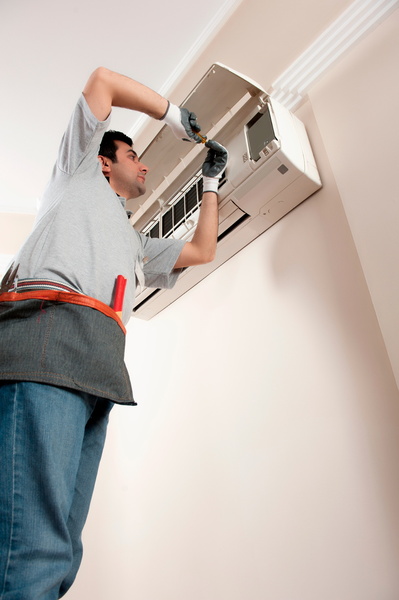
Ductless mini split systems are quickly becoming a favorite choice for homeowners looking to upgrade their home comfort. These versatile systems are a type of AC system known for efficient installation and operation, offering both heating and cooling without the need for ductwork. This makes them ideal for homes without central air, older buildings, room additions, or any space where extending ductwork isn’t practical.
A mini split installation in Golden Valley, MN will do more than just make your home more energy-efficient and cost-effective. It will also provide zoned comfort, allowing you to control temperatures in individual rooms or zones, perfect for maintaining peace in a household with varying comfort preferences. But how are these systems installed? Read on for the details.
If you’re unsure where to start, visit a professional’s website or contact a local expert to schedule a consultation. Deciding whether to handle the installation yourself or hire a professional is important, be sure to consider local regulations, costs, and safety before making your choice.
Why Choose a Ductless Mini Split System?
Ductless mini split systems function as heat pumps, which means they can both heat and cool your space, making them a year-round solution. The main components of these systems are the indoor and outdoor units. They use inverter-driven technology to maintain consistent indoor temperatures with minimal energy use, which can significantly reduce your monthly utility bills. Because they don’t rely on ducts, you also avoid the energy losses associated with ducted systems, especially in older homes where ducts may be leaky or inefficient.
Additionally, mini splits are known for their quiet operation, compact design, and flexible placement options. Wall-mounted indoor units are the most common, but ceiling cassette and floor-mounted models are available to suit various layout and aesthetic needs.
Pre-Installation Considerations: What to Know Before You Go Ductless
Before you install a mini split system in your home, taking the time to plan ahead can make all the difference in achieving a successful installation. A ductless mini split system is a smart, energy efficient solution for both heating and cooling, but getting the most out of your investment starts with understanding a few key factors.
First, familiarize yourself with the main components of a mini split air conditioner: the indoor unit, the outdoor unit, and the lines that connect them. These include refrigerant lines, electrical connections, and the mounting hardware needed to securely attach the units to your wall or ceiling. Each part plays a crucial role in the system’s performance, so it’s important to ensure everything is installed according to the manufacturer’s specifications.
Selecting the right unit for your space is essential. Consider the size of the room, your home’s layout, and the local climate to determine the best mini split system for your needs. The capacity of the unit should match the heating and cooling demands of the area to avoid wasted energy or insufficient comfort. Consulting with a licensed HVAC professional can help you determine the ideal system size and configuration for your home.
Placement is another critical factor. The indoor unit should be mounted in a location that allows for optimal air flow throughout the room, while the outdoor unit needs enough clearance from walls, plants, and other obstructions. Avoid placing the outdoor unit in direct sunlight or areas with poor ventilation, as this can impact efficiency and longevity. Marking the wall for the hole and drilling pilot holes for the wires and refrigerant lines are steps best handled by a professional to ensure accuracy and prevent damage.
Don’t forget to check local codes and regulations before you begin your mini split installation. Many areas require a licensed HVAC professional to handle electrical connections and refrigerant lines, both for safety and to comply with building codes. Following these rules not only protects your investment but also ensures your system operates safely and efficiently.
By carefully considering these pre-installation steps, choosing the right unit, planning the best locations, and working with a professional, you’ll set the stage for a smooth, hassle-free installation. If you’re unsure where to start, visit a professional’s website or contact a local expert to schedule a consultation. Taking these precautions will help you save money, avoid common pitfalls, and enjoy the full benefits of your new ductless mini split system for years to come.
The Installation Process: Quick and Straightforward
One of the biggest advantages of going ductless is how quick and minimally disruptive the installation process is, especially when compared to the mess and time required to install or retrofit ductwork.
A standard ductless mini split system includes one outdoor unit and one or more indoor units, depending on how many rooms or zones you want to condition. The indoor and outdoor components are connected by refrigerant and electrical lines, which only require a small, precise cut, usually about 3 inches in diameter, through the wall to safely route these lines. This simple setup avoids the need to tear open walls, ceilings, or floors, making the process far less invasive than installing a traditional central HVAC system. It’s also important to ensure the system has the proper electrical power supply and voltage to operate efficiently and safely.
Most ductless mini split installations can be completed in just one day, especially when performed by experienced professionals. Multi-zone setups may take a little longer depending on how many indoor units are being installed and the layout of your home, but the process remains efficient and non-disruptive.
Why Professional Installation Matters
While ductless mini splits are less complicated to install than ducted systems, proper installation still requires professional expertise. Electrical connections, refrigerant handling, unit placement, and system sizing all need to be handled with care to ensure optimal performance, energy efficiency, and longevity. Most systems require a dedicated circuit breaker to safely handle the electrical load, typically a 220-volt supply, which is essential for safe operation. A poorly installed system can lead to higher energy bills, reduced comfort, and costly repairs down the road.
That’s why it’s important to work with qualified, reliable HVAC technicians who know the ins and outs of mini split systems. Our team has the experience and training to design and install the perfect ductless solution for your home, safely, efficiently, and with minimal disruption.
We’re Ready to Help You Go Ductless!
If you’re ready to enjoy customizable comfort, better energy efficiency, and a smoother installation process, it’s time to consider going ductless. Contact us today to learn more about ductless mini split options and schedule a consultation. Our expert team is ready to help you upgrade your comfort, no ducts required!